The budget is the bid
Without an independent scope, the contractor’s proposal becomes the budget. There is nothing to compare it against and no basis to challenge a line.

Growing operators build four, eight, twelve locations a year. That is a full-time construction program — but not a full-time construction department. Harborline is the department, on retainer.
When a company opens locations faster than it can staff for it, construction lands on whoever is closest — an operations director, a facilities manager, sometimes the founder. Capable people, none of whom scope work, level bids, or track a general contractor’s schedule for a living.
Without an independent scope, the contractor’s proposal becomes the budget. There is nothing to compare it against and no basis to challenge a line.
Rent commences on a date the lease already fixed. Construction delay is not a construction problem at that point. It is a P&L problem.
A change order arrives at week nine. Nobody in the room can say whether it is legitimate, whether it was avoidable, or what it should cost.
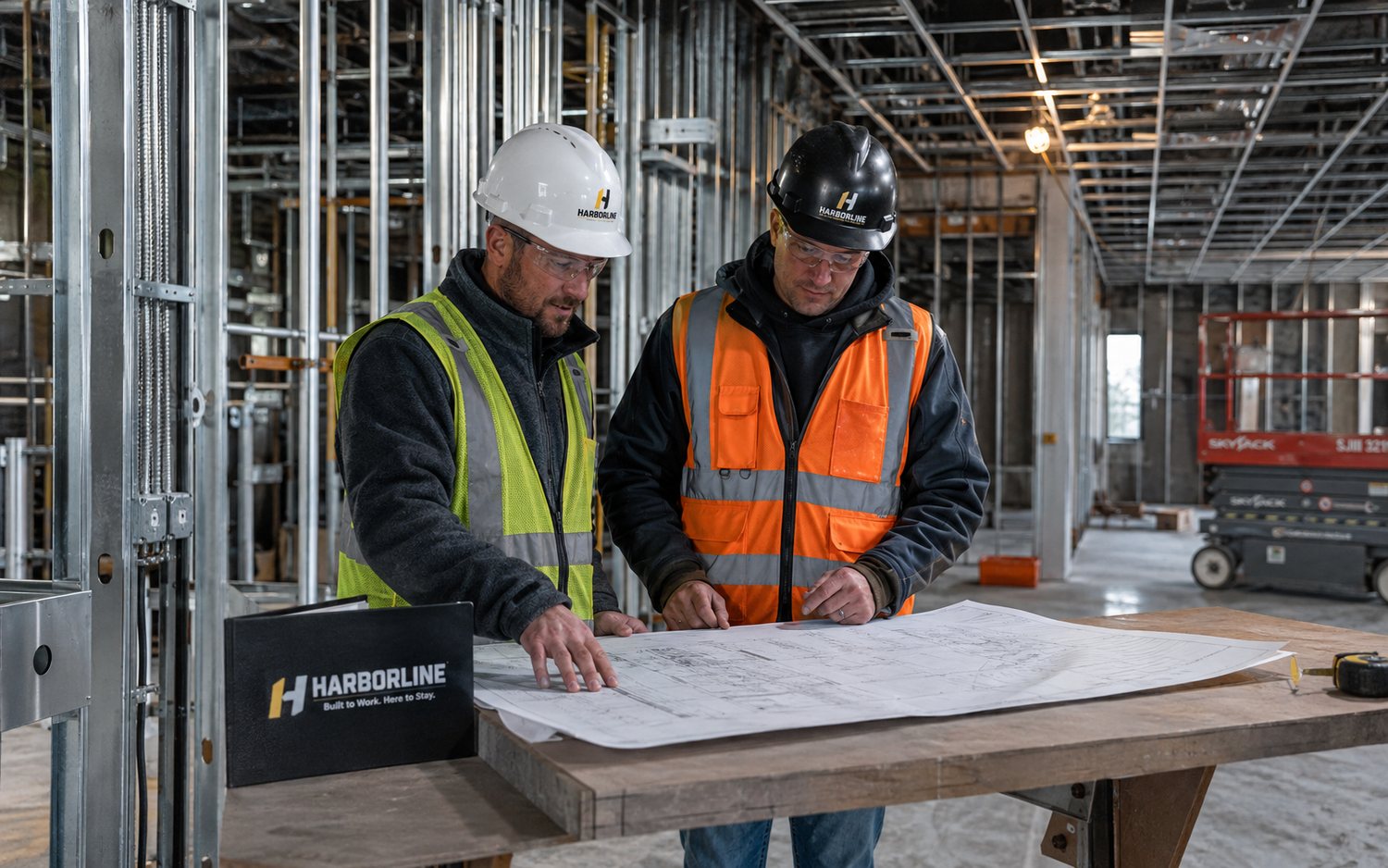
Harborline develops the owner's project requirements, screens bidders, reviews every proposal line by line, and monitors progress through closeout. You contract directly with the general contractor and the trades. You pay them directly.
We carry no construction margin, hold no trade contracts, and issue no guaranteed price. That is deliberate. A review is only worth something when the reviewer has nothing riding on the answer.
Role: Owner’s representative Engagement: Project or program Scope: Advisory only, no construction
Ongoing rollouts for operators opening multiple locations a year. Standards, prototypes, an approved vendor pool, and consistent coordination across every site.
A single buildout, remodel, or capital repair — coordinated from owner requirements and bidding through construction monitoring and closeout.
Growing organizations often build internal development teams around peak demand. When pipelines slow, that capacity becomes expensive to carry. When growth returns, companies are forced to recruit, rebuild processes, and recreate institutional knowledge at exactly the moment they need to move quickly.
Harborline provides owner-side construction capacity that scales with the workload, so you are not repeatedly building and dismantling an internal department. This is not a temporary project manager. It is the operating structure that normally comes with an internal development function.
That means owner-side program coordination, schedule and budget tracking, and bid and contractor coordination; the standards, templates, reporting, and closeout processes that keep results consistent site to site; and the vendor relationships and project history that would otherwise leave with a departing hire.
When the active pipeline slows, Harborline can preserve the standards, processes, project history, and operating knowledge established during the engagement. When growth returns, the organization does not have to rebuild the development function from zero.
The same applies across a portfolio. PE-backed platforms often need development capability at several operating companies at once, none of which carries enough permanent workload to justify its own department.
Harborline combines hands-on construction experience with multi-site capital-program leadership. That matters because owner representation requires understanding both what is happening in the field and what it means to the operator’s budget, schedule, and opening date.
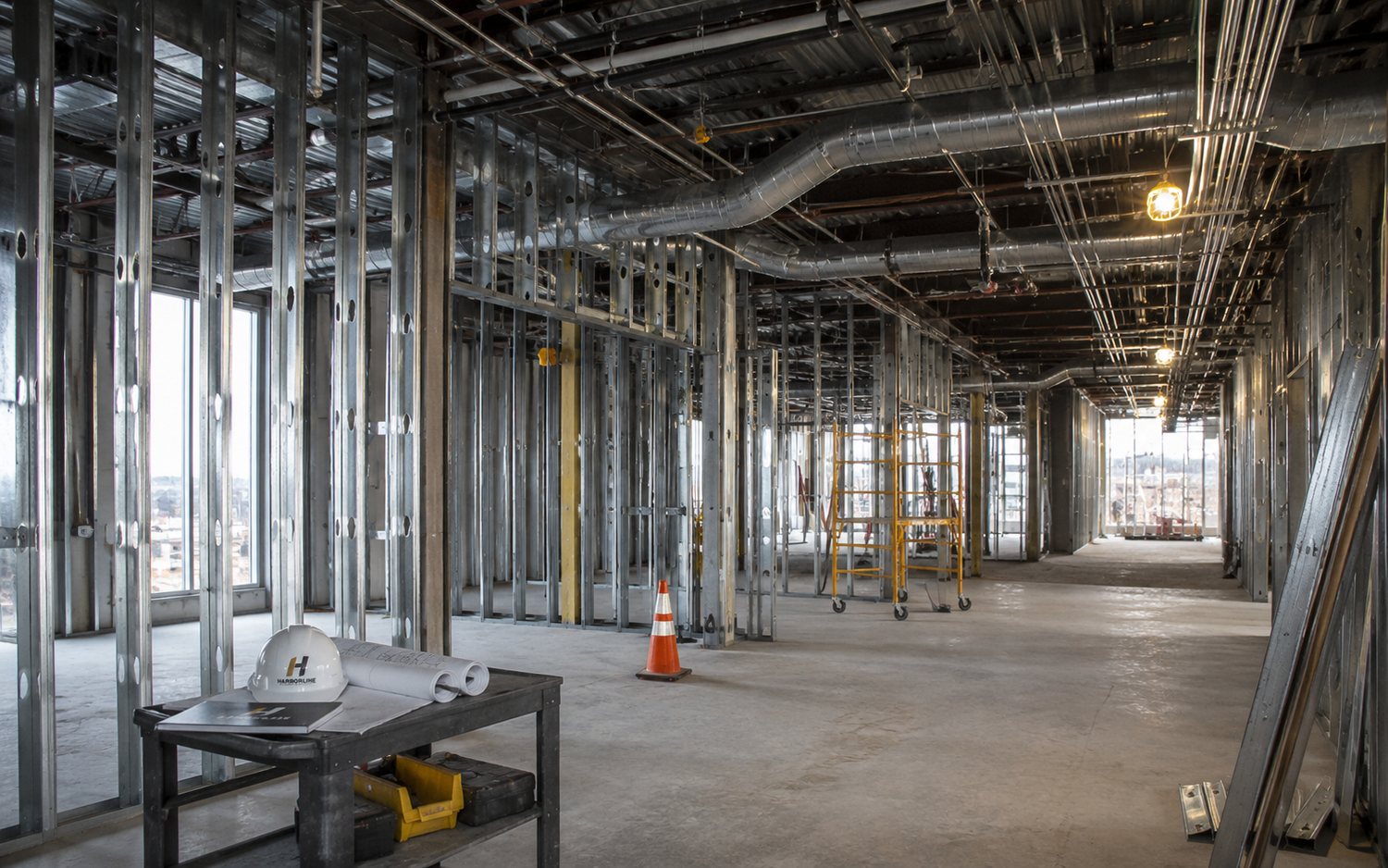
For growing operators carrying recurring construction and capital projects across multiple locations. Explore all Harborline markets →
Tell us what you are building, how many, and by when. If Harborline is not the right fit, we will say so on the first call.