Commercial
De novo buildouts, acquisition conversions, capital projects, and pre-lease diligence.

Multiple locations or properties, recurring capital spend, and more structure needed than the current process provides. That can be four locations, or forty, or a hundred and forty. The work runs deepest where the technical requirements are unforgiving and the opening date will not move.
Across industries, growth rarely happens in a straight line. Harborline gives multi-location operators access to experienced construction, activation, and facilities infrastructure that scales with the portfolio, without carrying peak-level internal overhead through every cycle.
Dental and medical MSOs, DSOs, optometry and ophthalmology groups, veterinary practices, urgent care, specialty practices, med spas, and imaging centers. Most are running de novo programs alongside acquisitions.
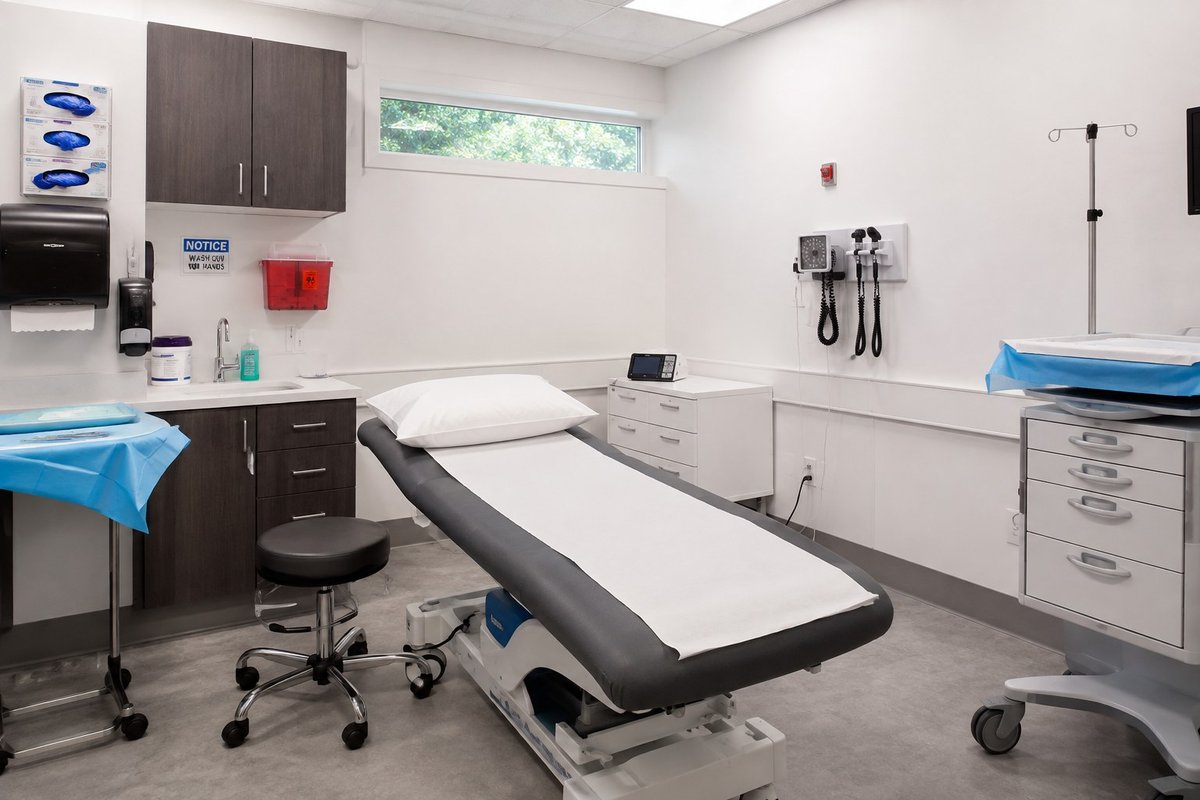
Clinical buildouts carry requirements a general commercial contractor sees a few times a career: operatory plumbing and vacuum, medical gas, imaging shielding, medical-grade HVAC, infection control. Equipment delivery often drives the critical path harder than construction does, while the lease runs and a provider has already stopped seeing patients somewhere else. This is where owner-side experience is worth the most, and where a generalist costs the most.
De novo buildouts, acquisition conversions, capital projects, and pre-lease diligence.
Operatory and workstation setup, stocking, and documented handoff before the first patient.
Facilities operating systems, vendor standards, work-order implementation, preventive-maintenance structure, asset tracking, and portfolio reporting.
Retail concepts, restaurants and food service, fitness studios, childcare centers, and other consumer-facing operators opening on a program cadence.
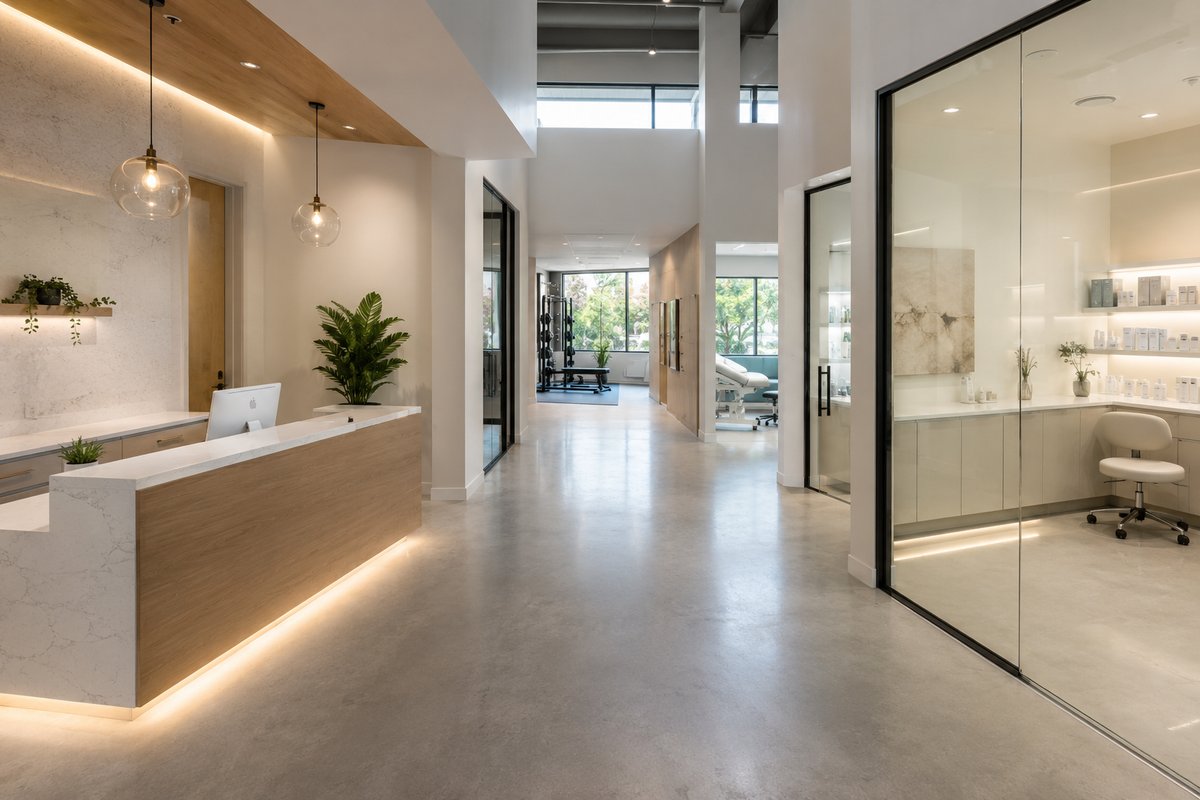
The failure mode here has nothing to do with technical complexity. It is repetition without a system. Different bid package, different contractor, different result at every location, and cost variance nobody can explain. Growth also outpaces the team before it justifies a department: six openings a year needs real capability, but not a director, a coordinator, and an analyst.
Rollouts, remodels, bid administration, and project monitoring across the program.
Opening setup run against a repeatable checklist applied consistently across locations.
Repeatable work-order, vendor, maintenance, asset, and reporting systems built for the operator’s internal team.
Professional services firms, financial and legal offices, and corporate groups relocating or consolidating space. The pressure is the cutover: a hard date, and staff who need to work Monday morning.
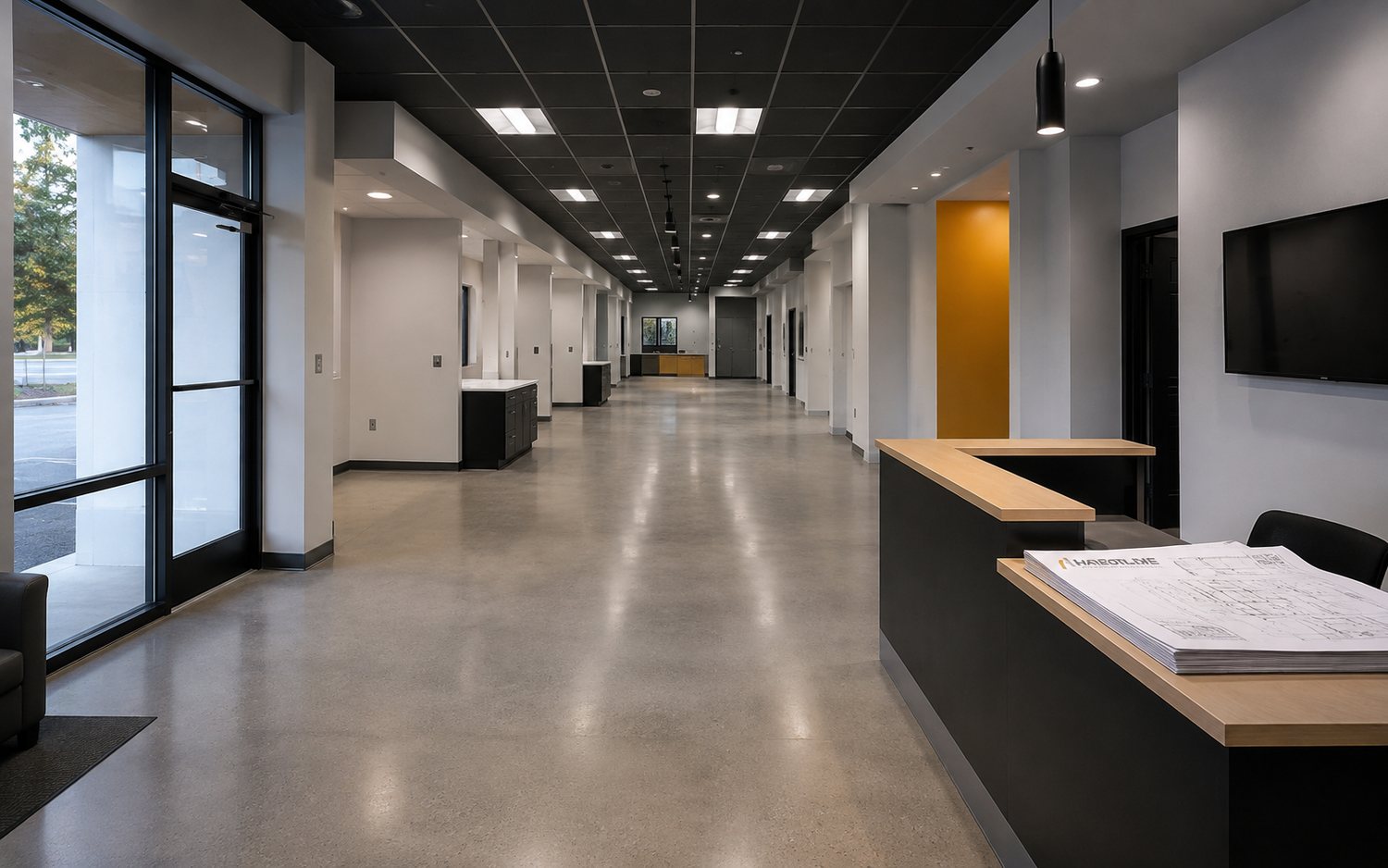
Tenant improvement coordination, owner requirements, and bid administration.
Cutover setup over a defined window, with inventory confirmation and an exception list.
Structured facilities workflows, vendor protocols, work-order platform implementation, and internal operating procedures.
Owners and investors whose asset is the property itself, often managing multi-property capital plans, deferred maintenance, tenant improvement obligations, and repositioning programs. A property condition report gives you a number, not a plan.
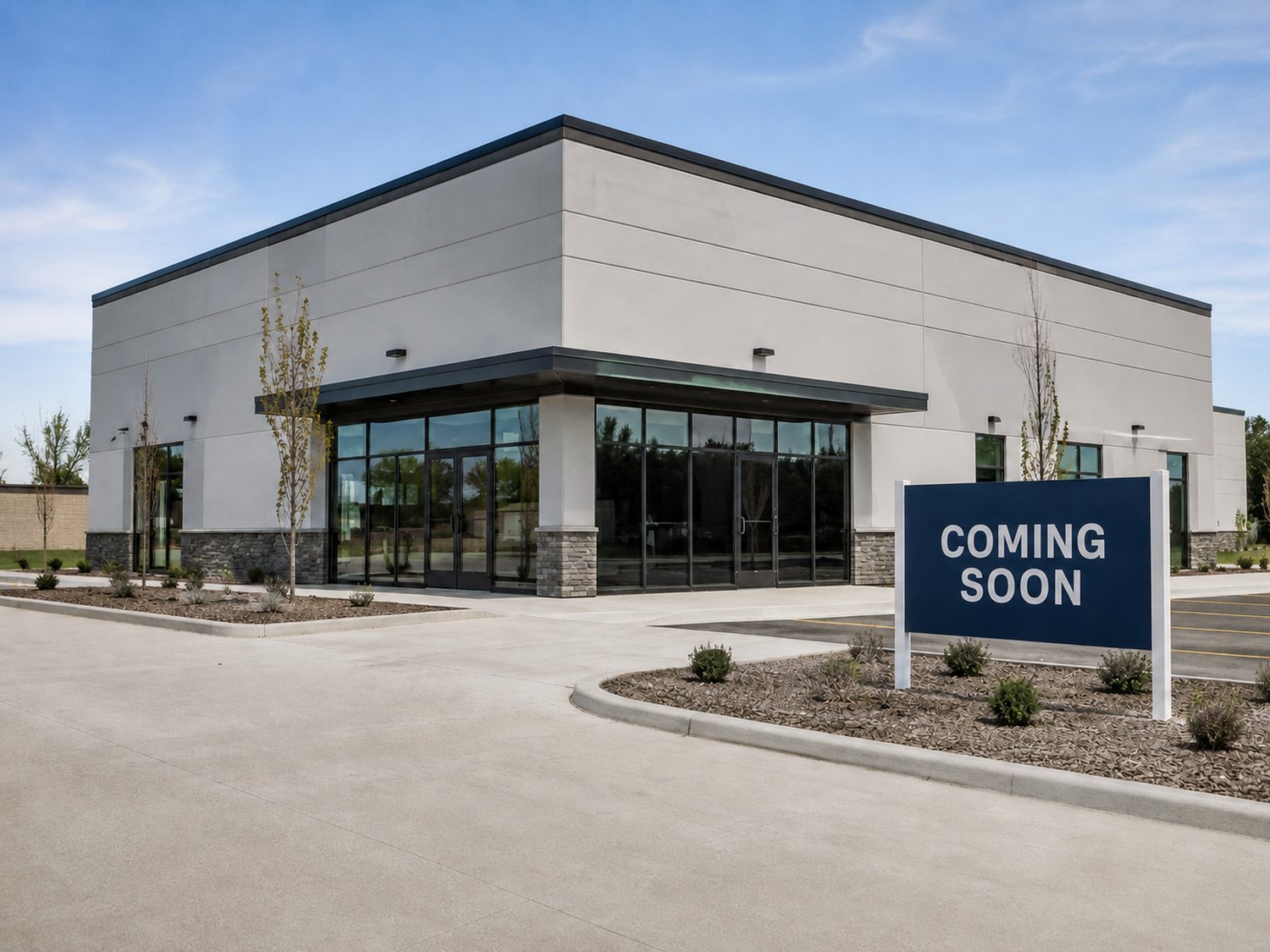
Capital programs, acquisition diligence, repositioning projects, and commercial bid review.
Available where a tenant or operator opening at one of your properties requires setup.
Maintenance operating structure, deferred-maintenance tracking, vendor systems, asset visibility, and portfolio reporting.
Harborline supports PE-backed multi-location businesses that need to scale construction and opening capability without building peak-level internal overhead into every portfolio company — and that need professional facilities infrastructure installed where the organization has grown faster than its operating systems.
Harborline can build the facilities function the organization needs today, and add owner-side construction capacity as the pipeline moves.
Common operating standards across holdings give sponsors a more consistent framework for facilities visibility, controls, and reporting.
The client is the operating company. Sponsors and operating partners are often the ones who see the pattern first.
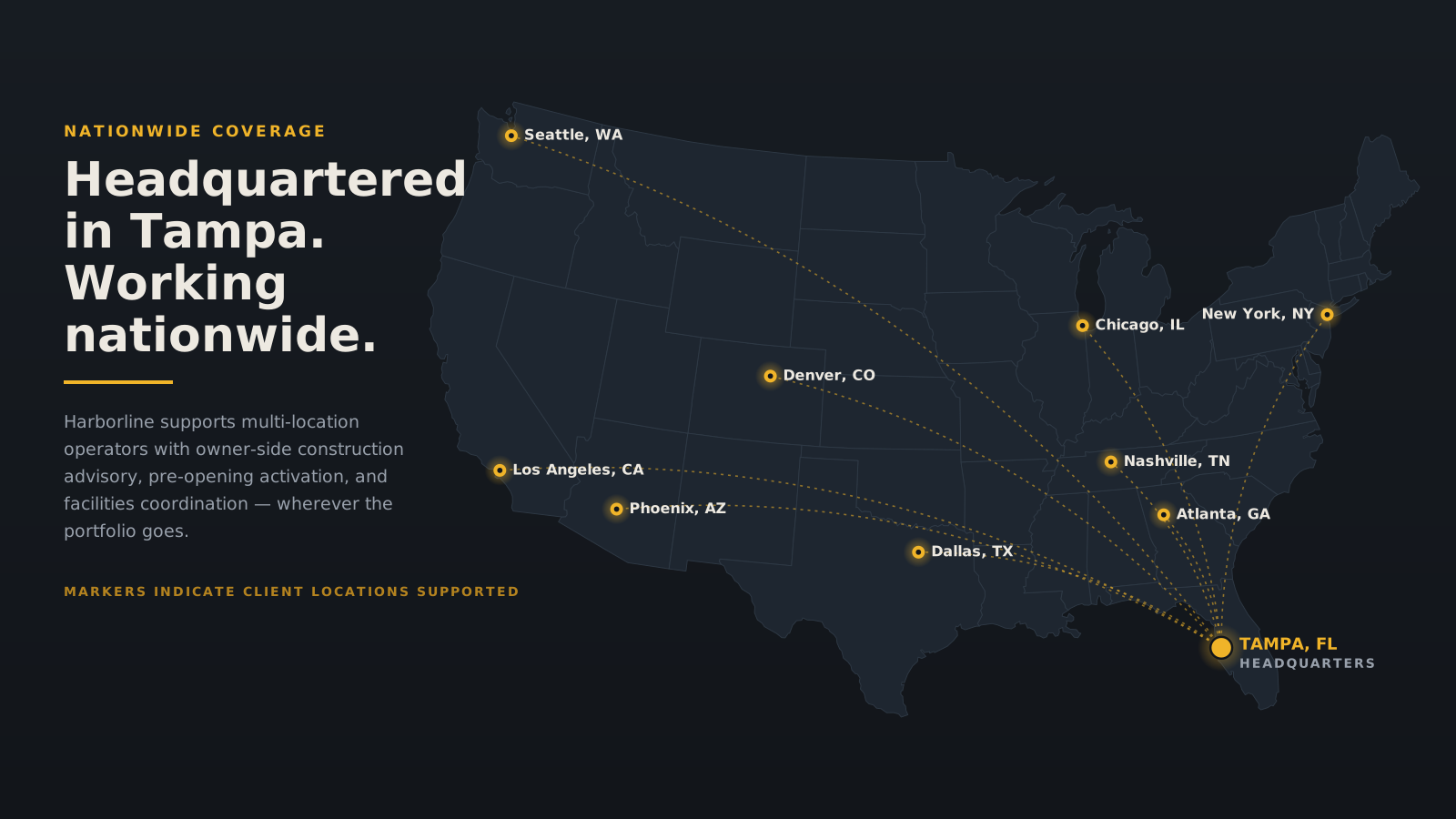
Harborline is headquartered in Tampa Bay and supports programs and portfolios across the country. For multi-location operators, the standards, the checklists, and the reporting travel to every site, whether the next opening is across town or across the map.
How many locations, where they are, and what you are trying to accomplish is enough for a first conversation. If Harborline is not the right fit, we will say so on the first call.