Structure
Facilities organizational structure. Responsibility matrix. Emergency escalation protocol. Approval and NTE matrix.

Every engagement centers on one principle: Harborline builds the facilities operating system and your team runs it. You maintain vendor relationships and direct contractor payments throughout. We hold no contractor licenses, no trade contracts, and no construction margin.
A defined engagement that designs and stands up the facilities function. Portfolio and vendor-network assessment, spend analysis, operating structure with roles and escalation paths, vendor strategy, KPIs and approval thresholds, preventive-maintenance program, asset and warranty organization, SOP development, work-order platform selection and configuration, automation and reporting standards.
Harborline reviews available maintenance records, work-order history, vendor performance information, reporting, and observable operational conditions, then identifies gaps, process improvements, and matters requiring evaluation by appropriately licensed contractors or design professionals.
The scope scales with the portfolio. A four-location operator may need the platform, vendor structure, basic preventive maintenance, asset and warranty tracking, core SOPs, reporting, and training. A forty-location operator needs all of that plus organizational design, regional vendor strategy, CAPEX forecasting, a detailed KPI architecture, approval matrix, complex asset hierarchy, data migration, and phased implementation. Same product, different complexity.
A bounded initiative for operators who already have a facilities function, or who need one piece before the whole. Work-order platform implementation, vendor-network restructuring, preventive-maintenance rollout, asset-registry development, a multi-location HVAC replacement initiative, facilities data cleanup, deferred-maintenance programs, or facilities process redesign.
On fees. Both engagements are fixed fee, priced by scope and location count. We give you a number after the first conversation, not before it.
The Harborline Facilities Framework runs in five phases — Assess, Design, Implement, Launch, Transfer. The output is a documented, configured, staffed facilities operation your team owns.
Current operations, facilities spend, vendor coverage, service history, assets, existing systems, staffing, and pain points. Before anything gets designed, the engagement establishes what the portfolio actually looks like from the inside.

A GM reports a plumbing issue. An operations director emails about a roofing quote. A store manager calls about HVAC maintenance. Design defines who receives each of those, what the facilities lead decides versus escalates, and what happens when it is urgent.
Operating structure, roles and responsibilities, escalation paths, vendor strategy, KPIs, approval thresholds, and the preventive-maintenance program — documented as SOPs your team can actually follow.

Selection and configuration of a work-order platform: categories, priorities, routing rules, dashboards, reporting standards, asset data structures, and the workflows that connect them. Built around how the portfolio actually operates, not the vendor’s default template. Where the platform supports it, Harborline configures appropriate automation and AI-assisted workflows for routing, escalation, reporting, and other repetitive administrative tasks, with human review and approval points established where appropriate.
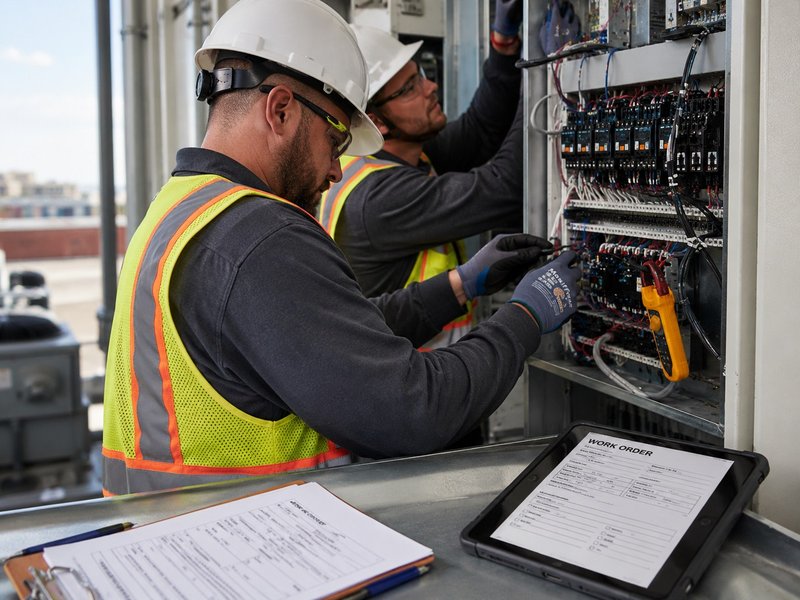
Training for the internal team, rollout across locations, and a stabilization period while the process settles. Implementation gaps get resolved while Harborline is still in the room.
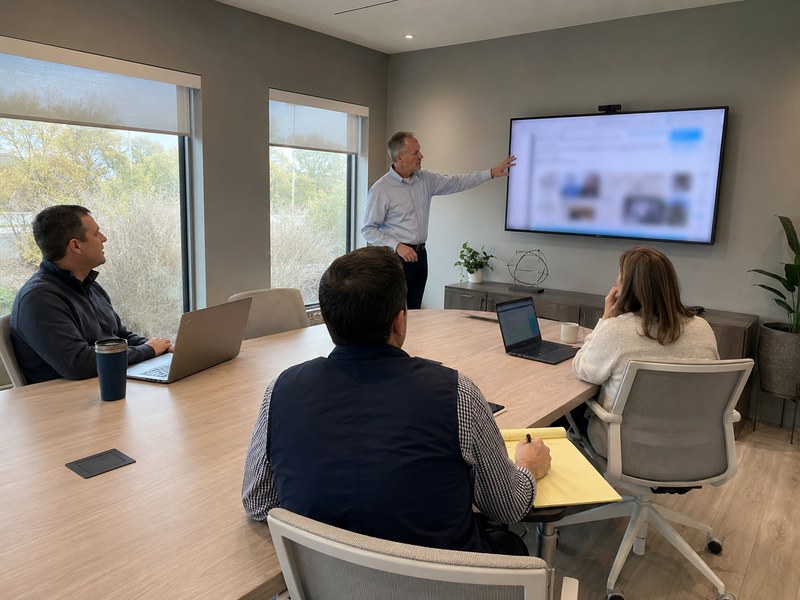
Invoice review, approval routing, and closeout standards are documented as part of the handover. Reporting shows work orders completed, cost by vendor and location, performance history, and compliance-related items. Once the system is live, your team produces it on their own cadence and Harborline steps back.

What the operator owns at the end of a Facilities Function Buildout.
Facilities organizational structure. Responsibility matrix. Emergency escalation protocol. Approval and NTE matrix.
Configured work-order platform. Service-request workflow. Automated routing and escalation rules. Asset registry structure. Warranty tracking. Preventive-maintenance schedule. Platform administration procedures.
Vendor coverage matrix. Vendor qualification records. Invoice review workflow.
Facilities SOP library. Operating standards. Implementation and handoff documentation.
KPI definitions. Executive reporting format.
Team training materials and the training itself, delivered to the staff who will run the function.
Following implementation and handoff, the operator’s team owns day-to-day facilities administration. Harborline may return for defined projects, system optimization, or separately scoped advisory work as needs evolve.
Within the agreed implementation or project scope, Harborline may coordinate vendor activity and associated workflows while establishing or improving the operator’s facilities systems. Harborline does not perform construction or trade work, hold contractor licenses, interpret building codes or clinical requirements, or assume responsibility for vendor work quality or compliance. The operator remains responsible for all regulatory compliance, vendor performance, and final approval of work performed. The operator approves all vendor selections, scopes of work, pricing, and work authorizations before vendor work proceeds. Vendors are contracted directly by and paid directly by the operator.
Tell us your location count, how facilities requests are handled today, what systems you currently use, and where the process is breaking down. We will recommend which engagement makes sense, or tell you if Harborline is not the right fit.